
Living in a warm climate is wonderful—you often escape the brunt of blizzards and prolonged freezes. However, when those rare, intense cold snaps hit your region, your home is still vulnerable. A little proactive preparation can make a big difference in avoiding costly damage and discomfort.
Here is a simple checklist to get your property ready when the mercury dips lower than usual:
Mind Your Water Lines
Freezing pipes are perhaps the most common (and messiest) casualty of unexpected cold weather. When water freezes, it expands, which can cause pipes to burst.
Insulate Exposed Pipes: Check areas like your garage, crawl space, attic, and exterior walls. Wrap any exposed pipes with foam pipe insulation (available at hardware stores) to provide a layer of protection.
Disconnect Hoses: Remove all garden hoses from outdoor spigots. Leaving them attached can trap water near the valve, leading to a freeze and a burst pipe inside your wall. If your spigot has a separate shutoff valve inside your structure, close it and drain the exterior line.
A Slow Drip: During the very coldest nights, let a few indoor faucets (especially those on exterior walls) slowly drip. The movement of the water helps prevent the pressure build-up that causes a break.
Seal Out the Chill
Preventing cold air infiltration is key to keeping your interior warm and your energy costs down.
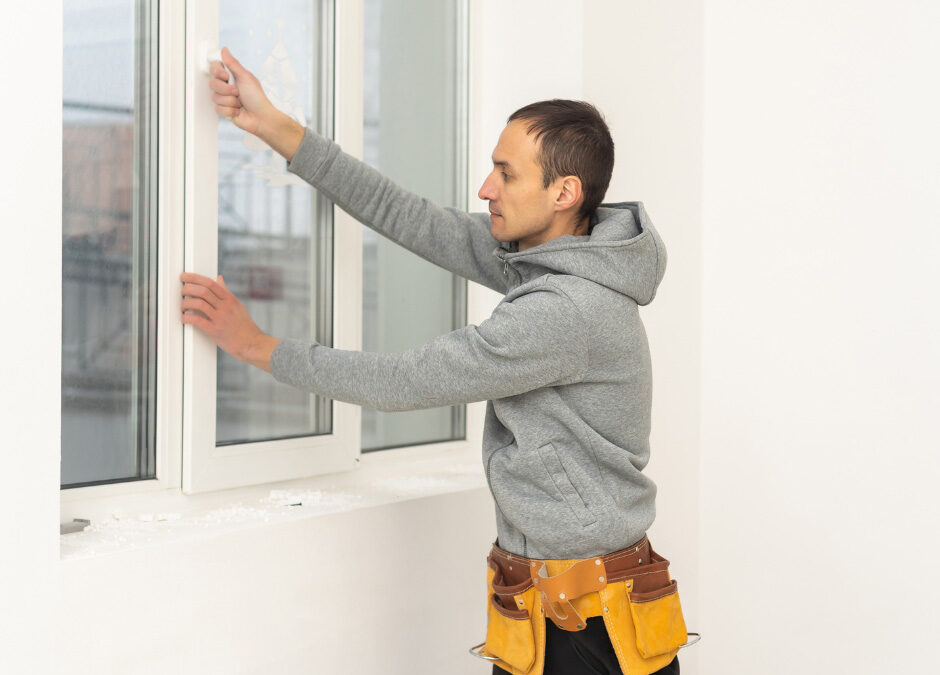
Check Doors and Windows: Feel around the edges of all your exterior windows and doors for drafts. Apply weather stripping or use caulk to seal any significant gaps you find.
Cover Vents and Fans: If you have crawl space vents, consider temporarily covering them to limit the flow of frigid air beneath your structure (remove the covers when the weather warms up).
Reverse Your Ceiling Fans: If your fan has a reverse switch, use it! Running the fan in a clockwise direction on a low-speed pushes warm air (which rises) down into the room.
Protect Exterior Elements
Don’t forget the parts of your dwelling and yard that are always outdoors.
Bring Potted Plants Inside: Any sensitive plants in containers should be moved into a garage or indoors to shield them from the frost.
Cover Pool Equipment: If you have a pool, follow the manufacturer’s instructions for protecting the pump, filter, and other equipment from freezing temperatures.
Stock Up on Supplies: Make sure you have batteries for flashlights, extra blankets, and non-perishable food items, just in case a cold snap leads to temporary power disruptions.
Taking these straightforward steps now means you can enjoy the rest of the season with less worry about a sudden temperature plunge. A little preparation is all it takes to keep your cherished residence cozy and protected.